Telecom Tower & RF Site Rollout: Acquisition to On-Air
Every new mobile site goes through the same chain: find a location, secure it, build it, install the radios and bring it on air. Delays usually come from the hand-offs between those steps, not from the technology.
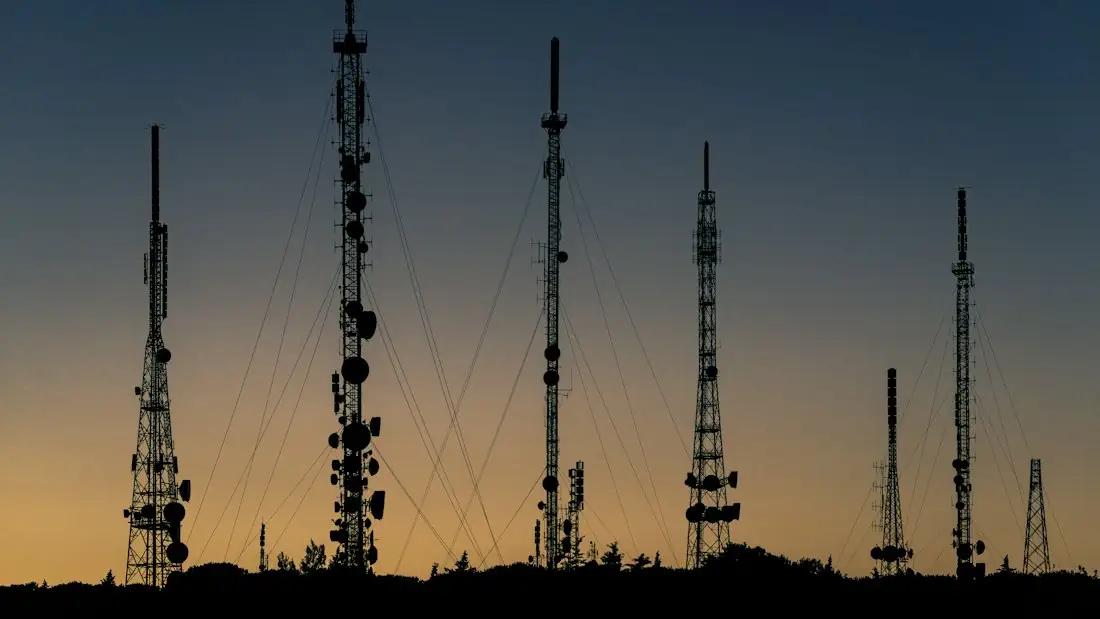
Why site rollout speed matters in Egypt
Egypt's four mobile operators, Vodafone, Orange, e& and WE, have been densifying networks for 4G capacity and, since the 2025 commercial 5G launch, for new radio layers. New urban communities, highways and industrial zones add demand for fresh coverage.
The market has also changed structurally. NTRA introduced a tower-company licensing framework in 2020, so independent towercos now build and lease sites alongside operator-owned infrastructure. For a rollout contractor, that means working to multiple clients' standards, sharing structures and coordinating tenants.
The common thread is time to on-air. A site that sits finished but not integrated is pure cost.
Stage 1: Search ring, acquisition and permits
The radio planning team issues a search ring: a target area with coverage and capacity objectives. The acquisition team then:
- Identifies candidate locations, such as rooftops, land plots or existing structures for co-location.
- Ranks candidates on radio suitability, access, power availability, structural feasibility and landlord terms.
- Negotiates leases and collects ownership documents.
- Obtains the required permits, which can involve local authorities, civil aviation for height clearance and other bodies depending on location.
Candidate quality is the biggest driver of schedule. A rooftop that needs structural strengthening, or a plot with unclear ownership, can stall a site for months. Getting radio, civil and legal input at the same survey visit avoids rework.
A good candidate pack typically contains coordinates and elevation, photos in all directions, a sketch of proposed antenna positions, access and power notes, ownership documents and landlord contact details. Radio planners can then approve or reject candidates without a second visit.
Where an existing structure is available, co-location is usually faster than a new build. It still needs a structural check for the new loads and an agreement with the structure owner on space, power and access.
Stage 2: Design and civil works
Once a candidate is approved, the site is designed:
- Structural design of the tower, monopole or rooftop frame, sized for current antennas, microwave dishes and future tenants.
- Foundation design based on soil investigation for greenfield towers.
- Electrical design: grid connection, generator, rectifiers, batteries and, increasingly, solar hybrid systems.
- Earthing and lightning protection to IEC 62305 principles, with measured earth resistance.
Civil works then cover excavation, foundations, fencing, shelter or outdoor cabinet plinths, cable trays and access. Quality checks at each pour and erection step prevent expensive corrections later. Remote sites without reliable grid power benefit from solar and hybrid power to cut diesel use.
Standardised designs help. A small catalogue of approved tower heights, foundation types and rooftop frames, each with pre-calculated loads, lets the design team issue drawings quickly and lets procurement buy steel and cabinets in volume. Only genuinely unusual sites should need a bespoke design.
Stage 3: Installation of RF and transmission equipment
With the structure ready, field teams install:
- Antennas and remote radio units at the agreed heights, azimuths and tilts.
- Baseband units, power systems and batteries in cabinets or shelters.
- Feeder, fibre jumper and power cabling with correct labelling and weatherproofing.
- Microwave or fibre backhaul so the site can connect to the network.
Work at height must follow a written safety plan with certified climbers, rescue capability and equipment inspection. Photographic records of each step, including azimuth, tilt, connector sealing and grounding, form part of the acceptance pack and save disputes later.
Many rollouts also involve swaps and upgrades on existing sites, such as adding 5G radios, replacing legacy antennas or consolidating equipment. These are harder than new builds because the site is live. Method statements, agreed maintenance windows and a rollback plan keep service outages to a minimum.
Stage 4: Integration, testing and on-air
Integration brings the site into the live network:
- Commissioning of baseband and radio units, and loading of site parameters.
- Backhaul tests for throughput, latency and synchronisation.
- Alarm clearance, confirming every alarm in the NMS is resolved or explained.
- Drive testing or walk testing to verify coverage, handovers and throughput against design.
- Single-site verification and KPI monitoring for the first days on air.
Acceptance is normally split into physical acceptance, covering installation quality and documentation, and functional acceptance, covering performance KPIs. Agree the checklists and evidence format before the first site is built.
Common causes of delay, and how to avoid them
- Late power connection: request the grid connection early and plan temporary generator power.
- Landlord disputes: keep clear lease documentation and a single point of contact.
- Material shortages: hold a buffer of long-lead items such as steel, cabinets and RRUs.
- Incomplete documentation: use a standard site folder template from day one.
- Integration backlog: schedule integration slots as part of the plan, not after build.
A weekly rollout tracker that shows each site's stage, blockers and owner is the single most effective management tool.
For programmes of hundreds of sites, treat rollout as a production line. Batch sites by region, keep acquisition several weeks ahead of civil teams, and keep civil teams ahead of installation crews. Measure cycle time per stage and fix the slowest stage first; adding installers does not help if sites are stuck waiting for permits.
How Novatelx delivers it
Our tower and RF site rollout package covers the chain end to end through our ten gated stages: survey and candidate assessment, design, supply, civil works, installation, integration support, testing and acceptance. Once sites are live, our field maintenance and technical outsourcing teams and 24/7 NOC can take over preventive and corrective maintenance. We work to the standards of telecommunications operators and towercos, and supply radio equipment through partners including ZTE.
Frequently asked questions
How long does it take to build a new telecom tower site?
It varies widely. A co-location on an existing tower can go on air in a few weeks once approvals are in place. A greenfield tower typically takes several months, with site acquisition and permits usually taking longest. Civil works, installation and integration are more predictable once the site is secured and powered.
What is site acquisition in telecom?
Site acquisition is the process of finding, evaluating and securing a location for a mobile site within the radio planner's search ring. It includes candidate surveys, landlord negotiation, lease signing, document collection and obtaining permits. It is often the longest and least predictable stage of a rollout.
What is the difference between a greenfield and rooftop site?
A greenfield site is a new tower or monopole built on land, needing foundations, fencing and access roads. A rooftop site uses an existing building, with antennas on frames or poles and equipment on the roof. Rooftops suit dense urban areas but require structural checks and landlord cooperation.
What is checked during telecom site acceptance?
Physical acceptance checks installation quality: antenna heights and azimuths, cabling, weatherproofing, earthing, labelling and safety. Functional acceptance checks performance: alarms cleared, backhaul tested, coverage and throughput verified by drive test, and KPIs stable. Both rely on a complete documentation pack with photos and test results.
Can multiple operators share one tower in Egypt?
Yes. Infrastructure sharing is common, and Egypt's regulator introduced a tower-company licensing framework so independent towercos can build and lease sites to operators. Sharing requires structural capacity for each tenant's antennas, separate equipment space and power, and agreements on access and maintenance.
Discuss your project with our engineers
Send the sites, the timeline and how success will be measured, and we will come back with a clear plan.
Talk to an engineer Telecom & ICT Projects: Survey to Acceptance in Egypt
 Electronic Signature & E-Identity in Egypt: A Guide
 AIoT Video Analytics & Smart Perimeter Security in Egypt