Solar & Hybrid Power for Telecom Sites in Egypt
Diesel generators keep many telecom sites on air, but fuel, logistics, theft and maintenance make them expensive. Egypt's strong sunshine makes solar and hybrid systems an attractive alternative. This guide explains how to size them properly and where projects typically go wrong.
Why solar and hybrid power for telecom sites
Telecom sites need continuous DC power, typically at -48 V. Sites with weak or unreliable grid supply, and fully off-grid sites, often rely on diesel generators running many hours a day.
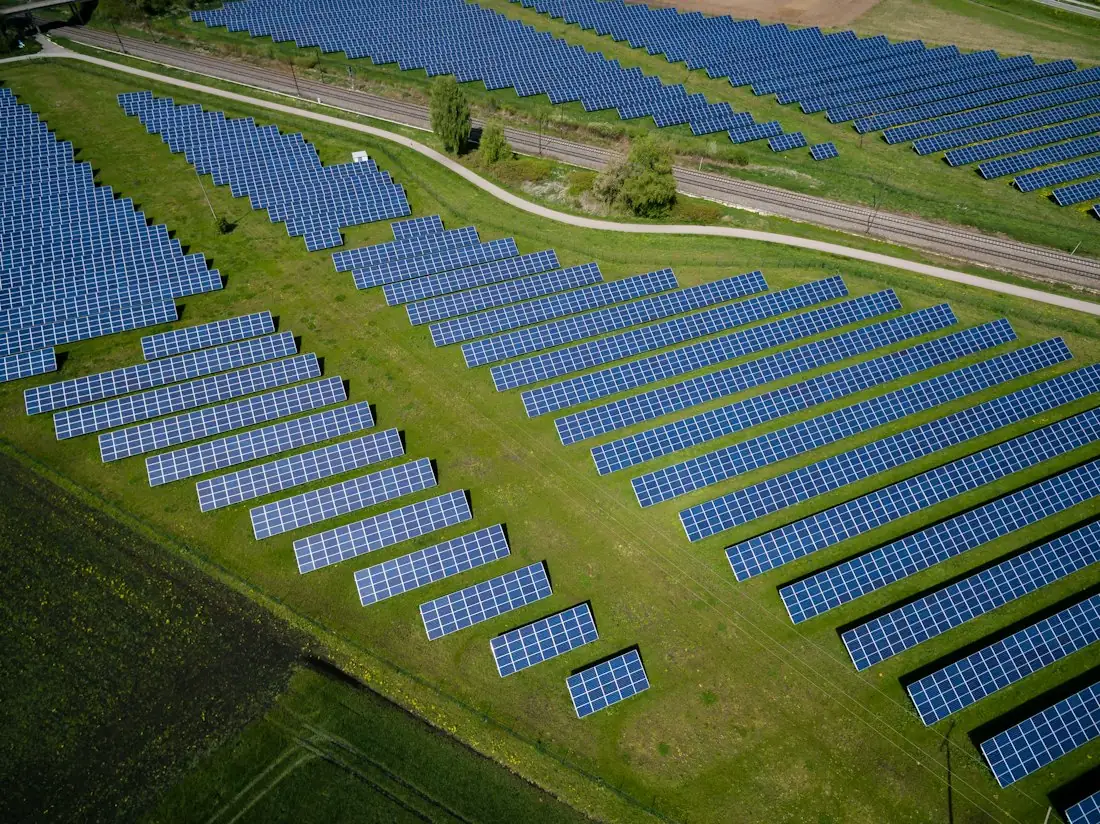
Egypt has one of the strongest solar resources in the region, demonstrated at large scale by the Benban solar park in Aswan. For telecom sites, that resource can replace a large share of generator runtime. The benefits include:
- Lower fuel consumption and fewer refuelling visits.
- Fewer generator service intervals and longer generator life.
- Reduced exposure to fuel theft and supply disruption.
- Lower emissions, supporting operators' sustainability targets.
Solar is not free of challenges. High ambient temperatures, dust and sand reduce panel output, and batteries degrade faster in heat. Good design accounts for all of these.
Network changes add urgency. New 5G radios and growing data traffic raise site power demand, so many existing power systems are reaching their limits. Upgrading power at the same time as radio equipment avoids a second site visit and allows the energy design to reflect the future load.
Choosing the architecture
Three common configurations exist:
- Solar-diesel hybrid: PV and batteries carry most of the load; the generator runs only to recharge batteries during long cloudy periods or peak demand. This suits off-grid sites.
- Solar-grid hybrid: PV reduces grid consumption and batteries bridge outages. This suits sites with an unstable grid.
- Fully solar with battery autonomy: possible for low-power sites, such as small cells or rural repeaters, where the load and the solar resource allow it.
A hybrid controller or power system manages charging priorities between solar, grid, generator and batteries. Remote monitoring is essential, so the NOC can see energy flows, battery health and alarms.
Choose equipment that integrates with the operator's existing monitoring platform and supports standard protocols. A hybrid site that cannot report its status remotely loses much of its value, because problems are only discovered when the site goes off air.
Step-by-step sizing
Sizing starts with the load and works backwards. The figures below are an illustration only; every site needs its own data.
- 1. Measure the load. Log real DC consumption over several days, including air-conditioning or fan cooling. Add planned growth, such as new 5G radios. Example: a 1.5 kW average load equals 36 kWh per day.
- 2. Find the solar resource. Use local irradiation data to estimate peak sun hours for the worst month you design for. Example: 5.5 peak sun hours.
- 3. Apply losses. Allow for temperature, dust, wiring, controller and battery efficiency. A combined derating factor around 0.7 to 0.8 is a common planning assumption.
- 4. Size the PV array. Daily energy ÷ (peak sun hours × derating). Example: 36 ÷ (5.5 × 0.75) ≈ 8.7 kWp.
- 5. Size the batteries. Decide the hours of autonomy the site needs without sun or generator, then divide the energy by the allowed depth of discharge.
- 6. Check space and structure. Confirm roof or ground area, wind loads and the structural capacity of any mounting.
Oversizing slightly is usually cheaper than running a generator to cover a shortfall.
Model the full year, not a single average day. Seasonal variation, dust events and future load growth all affect how often the generator will need to run. Simple simulation tools let you test several combinations of PV, battery and generator size and compare their lifecycle costs.
Batteries: lithium vs lead-acid
Battery choice drives both performance and lifecycle cost.
Lithium iron phosphate (LFP) batteries tolerate deep daily cycling, charge faster and handle heat better than lead-acid. They usually include a battery management system that reports state of charge and health to the NOC. Their higher up-front cost is often recovered through longer life and less maintenance in daily-cycling applications.
Valve-regulated lead-acid (VRLA) batteries cost less initially but are sensitive to heat and deep discharge. A common rule of thumb is that their service life roughly halves for every 10 °C of sustained operation above 25 °C, which is significant in Upper Egypt and desert sites.
Whatever the chemistry, ventilated or cooled enclosures and anti-theft measures are essential. Check that the battery management system can communicate with the site controller, so charging is managed correctly and alarms reach the NOC before a problem takes the site off air.
Cutting diesel runtime in practice
Good hybrid projects combine power and energy-efficiency measures:
- Replace air-conditioning with free cooling or DC fans where equipment allows.
- Use outdoor-rated equipment cabinets to shrink the cooled volume.
- Right-size rectifiers and enable efficiency modes.
- Set generator controls to run at efficient load for battery charging, then stop.
- Track fuel use, runtime and battery cycles remotely, and act on anomalies.
Measure a baseline before the upgrade so savings can be verified, not estimated.
For operators with large portfolios, prioritise sites with the highest generator runtime, the most difficult fuel logistics and the worst grid reliability. A pilot on a representative group of sites provides real performance data before a wider rollout and builds confidence in the business case.
Operations, monitoring and security
Solar sites are low-maintenance, not maintenance-free. Plan for:
- Regular panel cleaning, more frequent in dusty or desert areas.
- Inspection of connections, earthing and lightning protection, following IEC 62305 principles.
- Battery health checks and firmware updates.
- Physical security: anti-theft fixings, fencing, alarms and CCTV where needed.
- Remote monitoring through a NOC with clear alarm thresholds and dispatch procedures.
Train field teams on DC safety, battery handling and working at height, and keep spare parts for controllers and rectifiers in regional stores. Fast restoration depends as much on logistics as on design.
How Novatelx delivers it
Novatelx delivers solar and hybrid power through ten gated stages: site survey and load logging, energy design, supply from partners such as CHINT, installation, testing, acceptance, and then remote monitoring through our 24/7 NOC with field maintenance.
See our solar power for telecom sites package, the tower and RF site rollout package for new sites, and our telecommunications industry page.
Frequently asked questions
How much solar power does a telecom site need?
It depends on the site's measured load, the local solar resource in the worst month and system losses. As an illustration, a 1.5 kW average load needs about 36 kWh per day, which at 5.5 peak sun hours and a 0.75 derating suggests roughly 8.7 kWp of panels. Always size from measured data.
Can a telecom site run on solar alone?
Low-power sites can run on solar with enough battery autonomy, especially in sunny regions such as most of Egypt. Higher-load macro sites usually use a hybrid design, with a generator or grid as backup for long cloudy periods, dust events or unexpected load growth.
Are lithium batteries better than lead-acid for telecom sites?
For sites that cycle batteries daily, lithium iron phosphate batteries usually offer longer life, better heat tolerance and remote monitoring, which often offsets their higher purchase price. Lead-acid can suit standby-only sites with good cooling. Compare total lifecycle cost, not the purchase price alone.
How much diesel can a hybrid system save?
Savings depend on the site's load, solar resource, battery size and current generator runtime, so no single figure applies. The reliable approach is to measure baseline fuel use and runtime before the upgrade, then track the same metrics remotely afterwards to verify the actual reduction.
How often should solar panels be cleaned in Egypt?
Cleaning frequency depends on dust levels, rainfall and panel tilt. Desert and roadside sites may need cleaning far more often than urban rooftops. Monitoring energy yield remotely shows when output drops, so cleaning can be scheduled on evidence rather than a fixed calendar.
Discuss your project with our engineers
Send the sites, the timeline and how success will be measured, and we will come back with a clear plan.
Talk to an engineer Microwave vs Fibre vs IP RAN Backhaul: How to Choose
 SD-WAN for Multi-Branch Enterprises in Egypt
 Telecom Tower & RF Site Rollout: Acquisition to On-Air